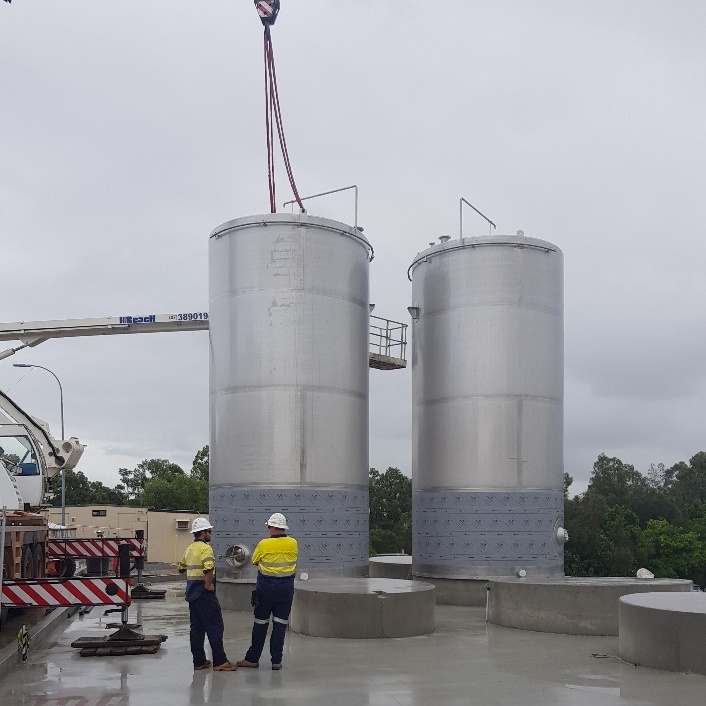
Should our food tank be 304 or 316 stainless?
It depends on what the tank holds and how it is cleaned. 304 suits many food products. 316 or 316L is often chosen for salty, acidic or harsher cleaning conditions. We recommend a grade for your product.
Can you build a complete process system, not just the tank?
Yes. We design and build CIP and SIP systems, mixing and storage tanks, mixers, heat exchangers, piping and valves, and integrate them into one system.
Can you add mixers or agitators?
Yes. We design and integrate mixers into new tanks, and can retrofit them to existing tanks.
How do you test a food tank before it leaves?
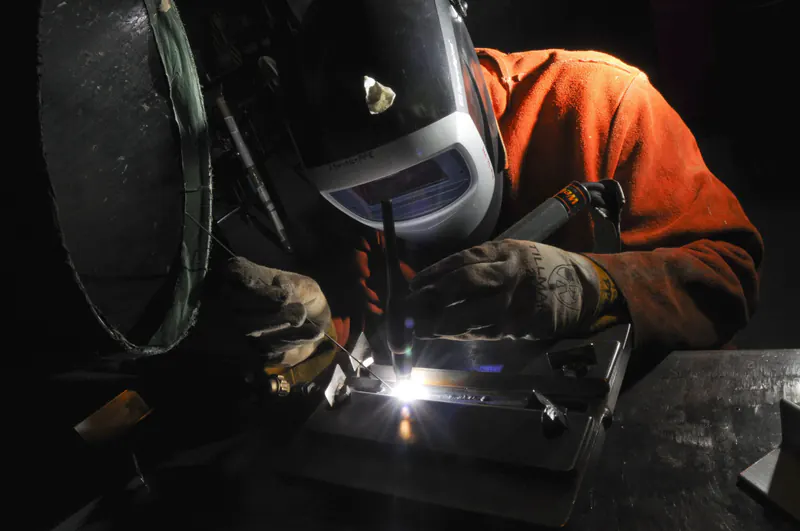
We pressure test it in our workshop, with hydrostatic testing depending on the size of the tank, and do dye penetrant testing of the welds and a pre-delivery inspection. Other testing your specification calls for, such as radiography, borescope inspection, riboflavin coverage testing, surface finish (profilometer) checks and material verification, can be arranged through NATA-accredited third-party testers.
Will you build to our drawings or design it for us?
Either. We can work from your drawings, or design and engineer the project ourselves, whether or not we end up building it.
What documents come with a food-grade tank?
Every tank comes with a manufacturer's data report with material certificates and weld records. Drawings and test reports can be supplied on request, depending on what your auditor needs. Tell us at quote stage and we will confirm it in the quote.